
Bridges of Baseball
Be the first to read long-form baseball stories delivered monthly.
The Catcher Sees Everything
A Cuban coach on what the catcher sees from behind home plate — and what he hopes his young players will see ahead of them.
As of June 1st, Cuba is grappling with intensified foreign pressure and geopolitical uncertainty, leading to fuel shortages and power outages across the island. And yet the Cuban love for baseball persists. Read additional foreign coverage about the situation in Cuba here and here.

Kids put extra passion into everything they love. When they play baseball, they look like grown adults in small bodies. They love to train and, above all, to play. They're capable of leaving anything behind to get on the field — so much so that a good part of their vacations they spend training and playing baseball.
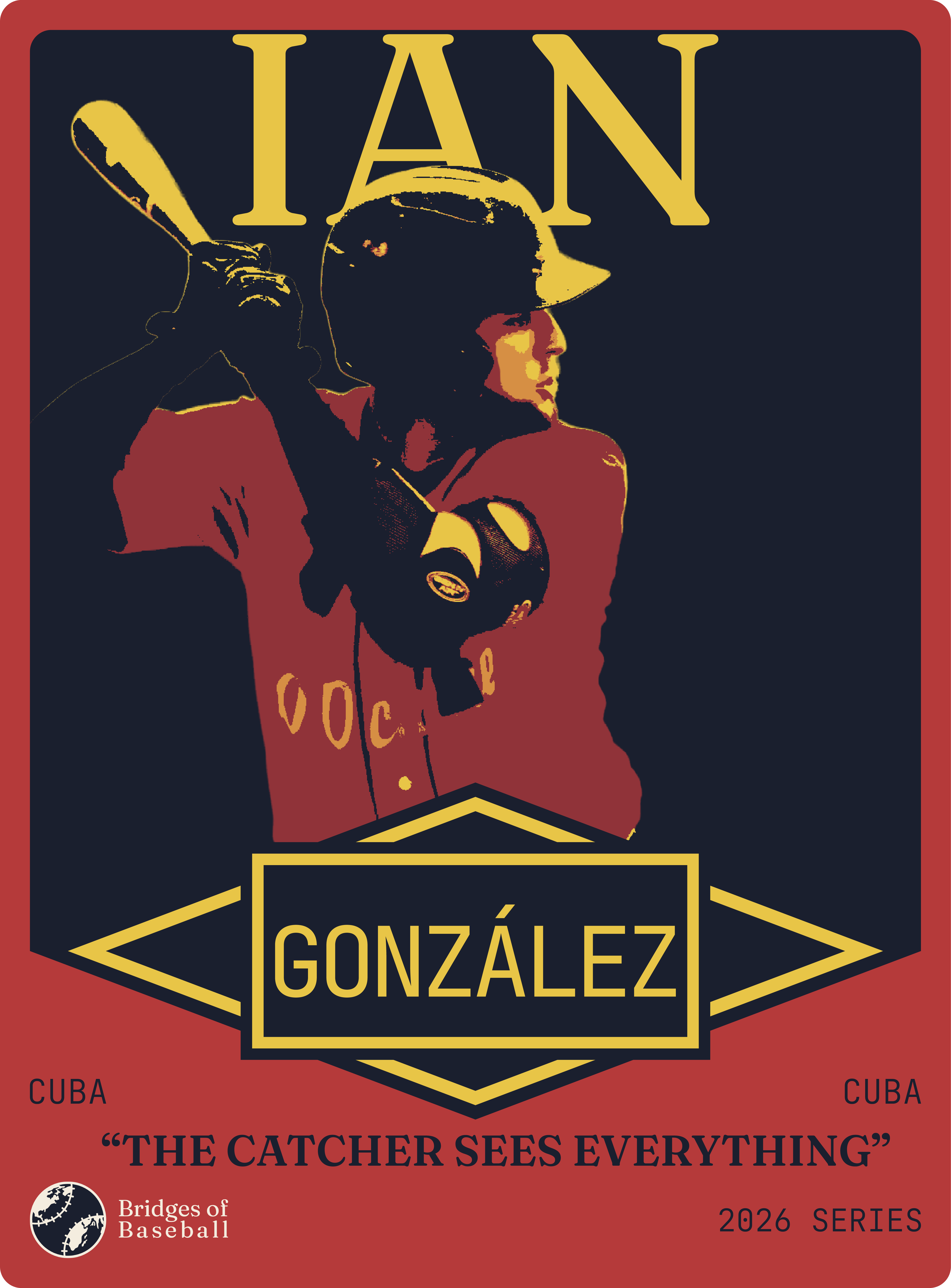
I am Ian. I was a catcher. I am Cuban. And I am their coach.
I feel an enormous satisfaction for each one of them, especially for the catchers. I try to teach them, starting from the youngest categories, how important that position is within the game. Everything a catcher can bring from the defensive side directly shapes whether his team wins.
The catcher feels everything. He feels how the pitcher is doing, how his pitches are coming out and how much confidence he has. He observes the position of the infielders, the outfielders, he understands the manager, the umpire, and even the crowd.
The catcher watches how the batter walks to the box. Does he have confidence? Is he distracted? Who is he looking at? Our players? Our outfielders? What's happening beyond the left field and right field lines?
And then, of course, the game comes to you.
The fastball on the inside corner that you have to frame. The changeup low that you have to sell to the umpire. The curve in the dirt. Or the foul ball that hits you straight in the helmet and knocks you into darkness for a moment.
The catcher must see it all.
Every time the kids arrive after a game and tell me they did something well, or that they feel they've improved some technique or skill, and they thank me for helping them — in reality, I'm the one who's grateful. Because they trust in the work we're doing together.
I am a product of Cuban baseball, and my story begins earlier.
.jpeg)
And thanks to him and my mom, I've been able to become who I am today. They were always by my side: in the good moments and, especially, in the bad ones — the times when almost no one wants to be there. I thank them infinitely for trusting in me and supporting me always.
For several years now I work as a baseball coach. I started while studying at the university, as a coach at a Sports Complex, working with children of different ages. After graduating I began to work at the University of the Sciences of Physical Culture and Sports (UCCFD) as an instructor professor in the baseball department, teaching classes to students in the program. Later I worked at the Local Development Project "Toro Barcelán," where I returned to coach children from very young ages to adults — not only baseball but also softball players interested in training with us. I was also a coach for the catchers of Industriales during a preparation period before the National Championship in 2023. All those games, players, and experiences stay with me today.
Baseball is very much like life in general. One of the best lessons it gave me as an athlete is that through this sport I learned to face difficult situations with more strength. It's incredible. And that's why I feel the responsibility to work with children.
I write this now during the blackouts, between darkness and light.
I start and stop many times. The internet and wifi don't work well, so I write from my cell phone. Sometimes darkness arrives when I least expect it, though in truth we all expect it. It's been part of our lives for years now, and it still hasn't improved. In the darkness, it can be hard to see what's ahead.
In recent years we have seen the quality of baseball on the island diminish. Life can be difficult, and people live through complicated times. There is less time, less energy, and fewer resources for the sport.
I see it in my players. They and we struggle: on the field, with our families, and within our communities.
But I also know that baseball in Cuba is passion. And Cuban baseball keeps living and changing.
The passion survives in these kids. They train and train. They make sacrifices. With little time, they find time. Because their teammates mean so much. Because baseball means so much — to them and to us.
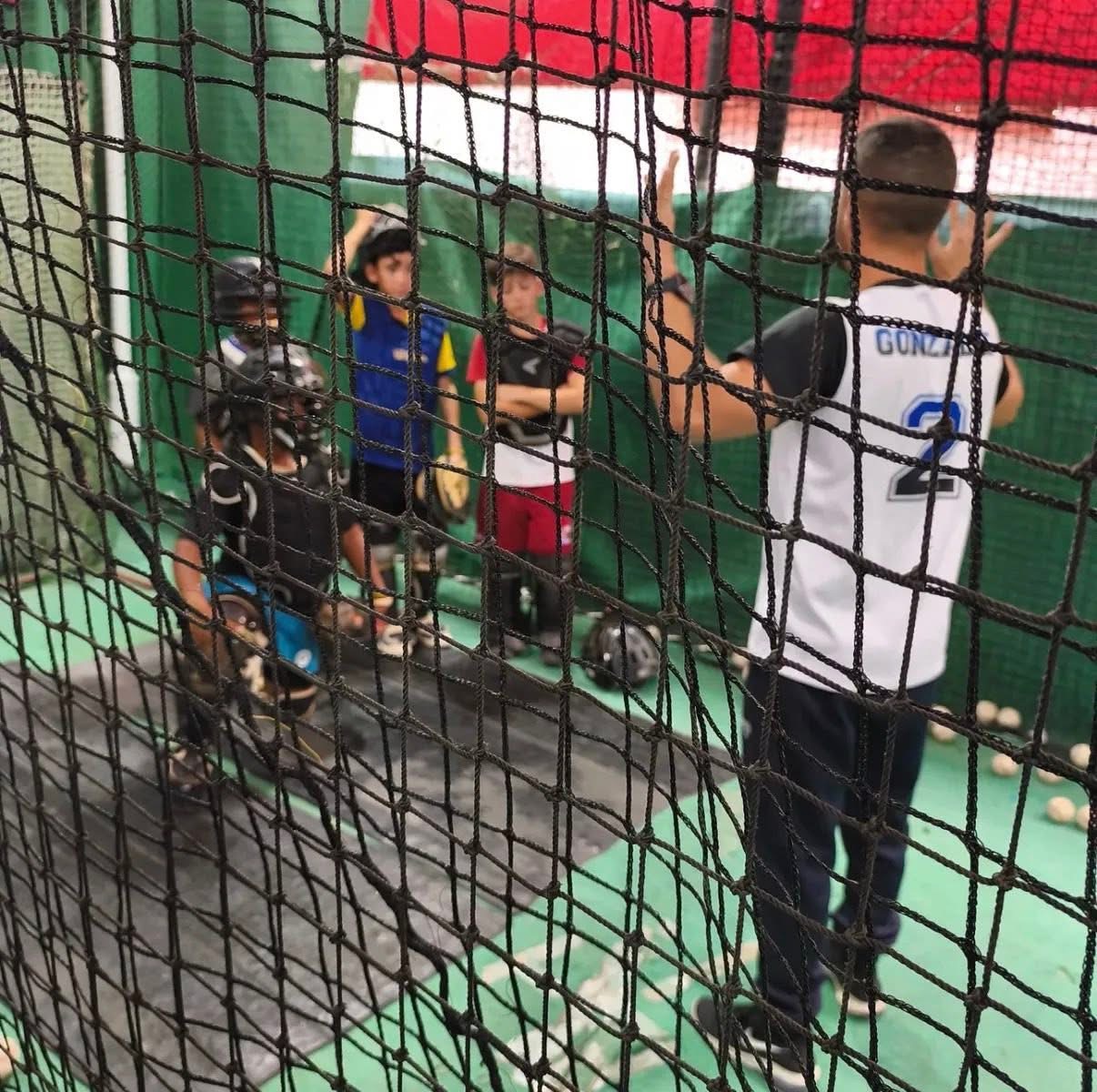
We know we must do more to recover the level Cuba can have in the world. We have to keep preparing ourselves and learning every day, because baseball, like life, evolves constantly. New trends, theories, and studies appear all the time. If we fall behind in knowledge, that later shows up in the game.
Despite everything that happens here or anywhere else in the world, I dream that one day the kids I train can represent Cuban baseball without so many restrictions and obstacles. That they can play in the best leagues in the world. That they travel, know different cultures, and show the world the passion and life of Cuban baseball.
I dream that they help build a better Cuban baseball, closer to what it once was: a baseball of world-class level.
In an uncertain future, it can be hard to imagine the path. But the catcher is the only player on the field who sees everything ahead.
I am a catcher. We know how all the parts form the terrain of our lives and how to build the next step toward the future.
For the kids and all the people I work with, I would like to leave them much more than baseball lessons and tools to improve as players. I want them to be good people with strong values and good hearts; that everything they do in life they do at one hundred percent, and that they be mentally strong to face any adversity that appears in their path. Baseball gives us all of that. And that's why we need it.
I know we will have success. Despite any challenge, despite the curveballs of life or the darkness. The game continues and we are ready.
Bridges of Baseball
Stories only baseball can tell.



© 2026 Bridges of Baseball · All rights reserved