
"Baseball is a universal language."
Name of Person
By the middle innings, hardly anyone was sitting in the seat they came in with. Strangers had become rowmates, rowmates had become introductions, and Section 234 had stopped looking like a block of tickets and started looking like a room full of people who wanted to meet each other.
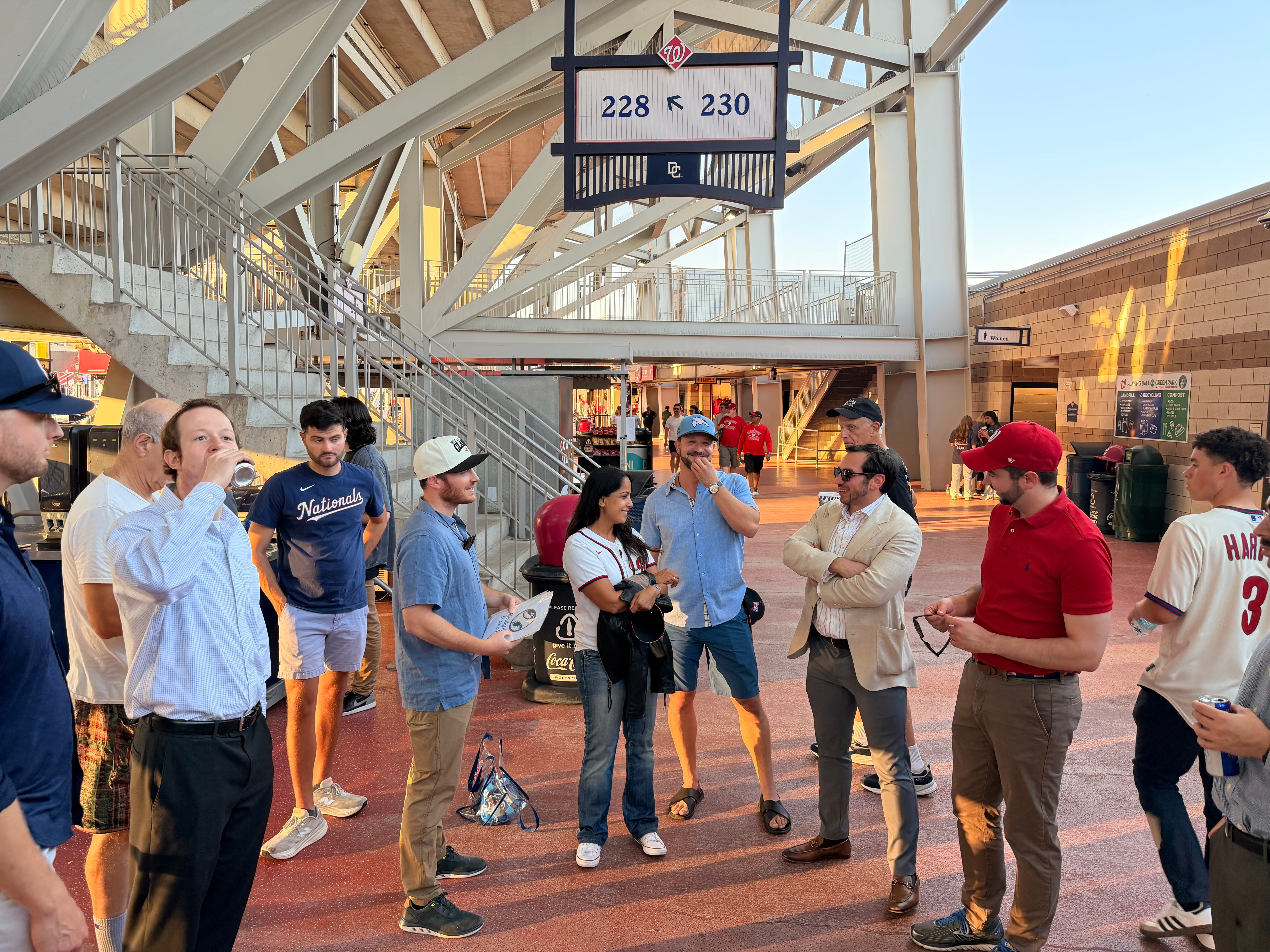
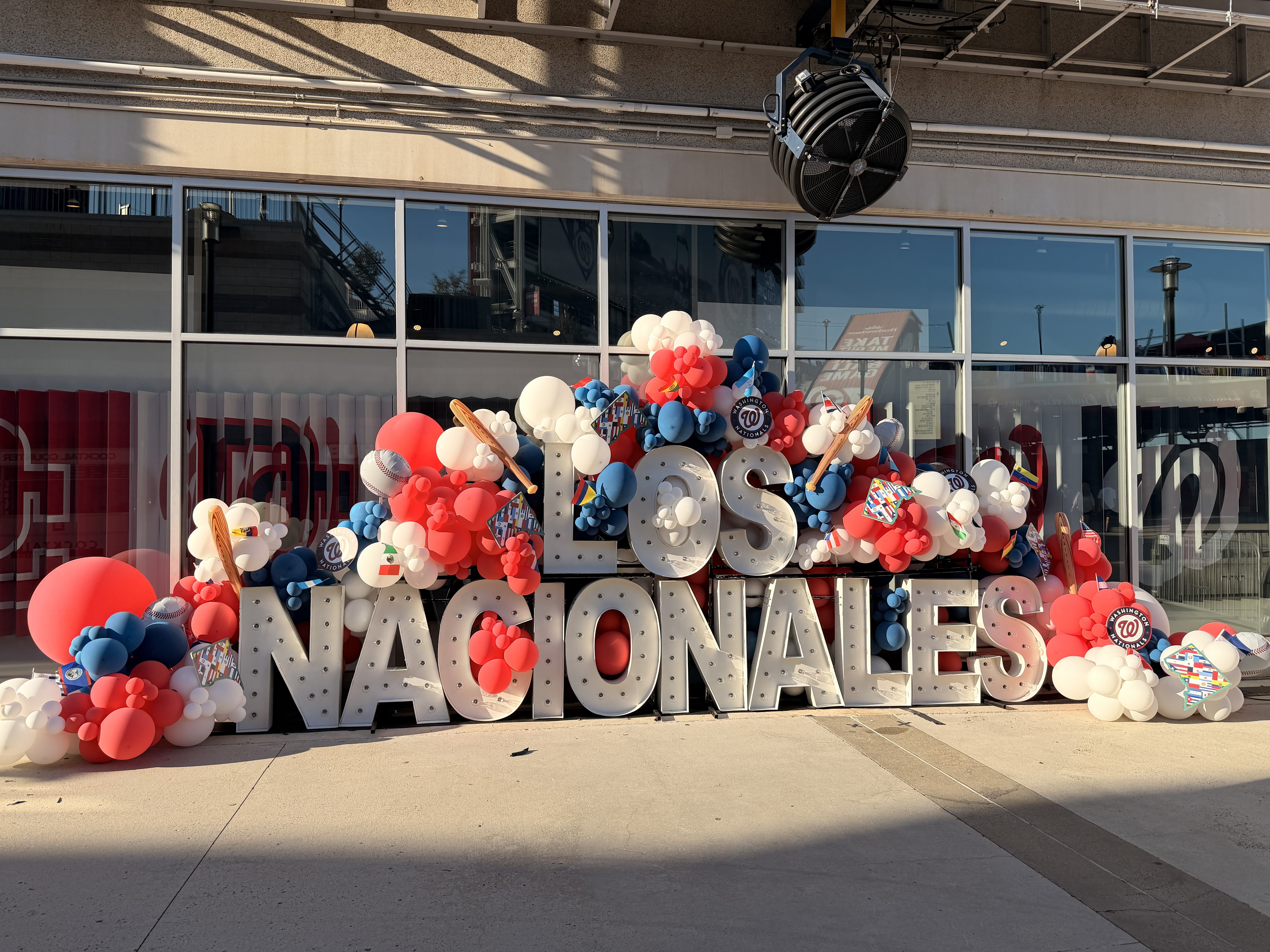
Before first pitch, Mark Feierstein held court at the picnic tables outside Section 234. A former NSC Senior Director for the Western Hemisphere, former acting deputy administrator at USAID and now a consultant to Major League Baseball, he has argued in these pages that baseball can do what diplomacy alone cannot. The night gave that argument its setting: Roberto Clemente Day, the start of Hispanic Heritage Month, and a game that has long served as informal diplomacy across the Americas.
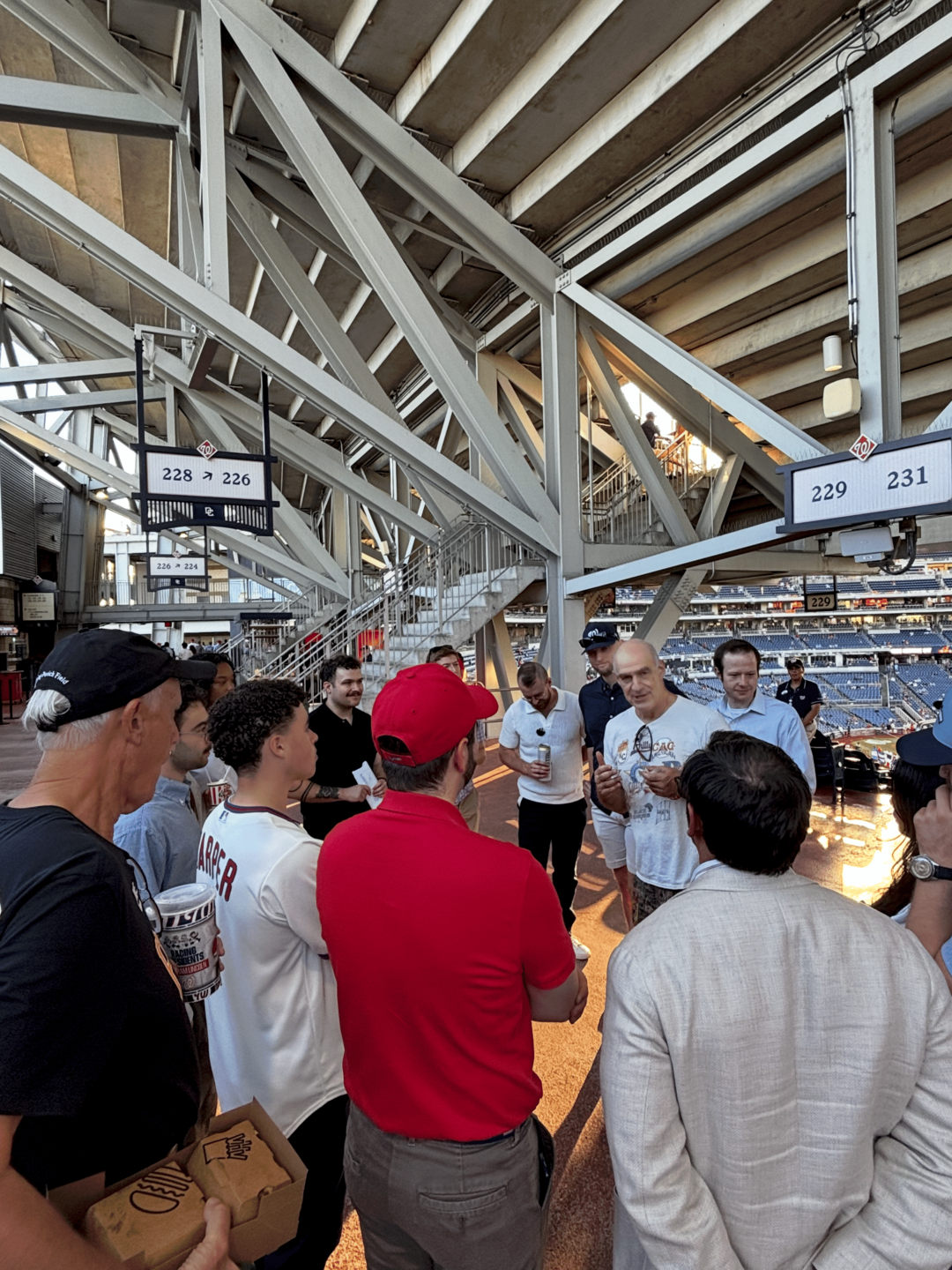
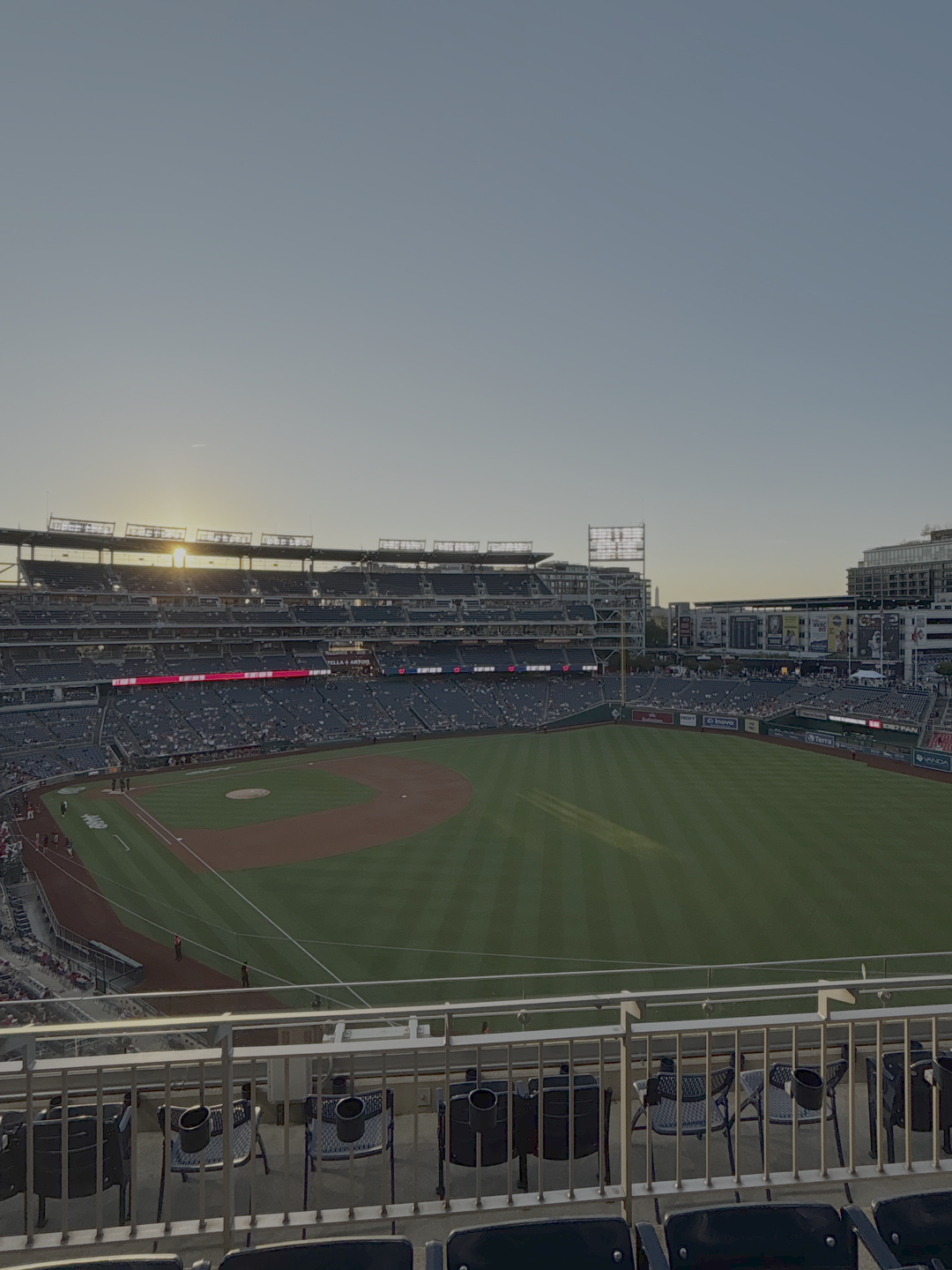
Caps went on, hot dogs and drinks came out, and the group settled in. Two conversation starters made their way down the rows: your favorite hot dog story, and something unexpected that helped you bridge a divide. Between bites of $5 hot dogs, the answers got longer. After the second inning, everyone gathered for a group photo.
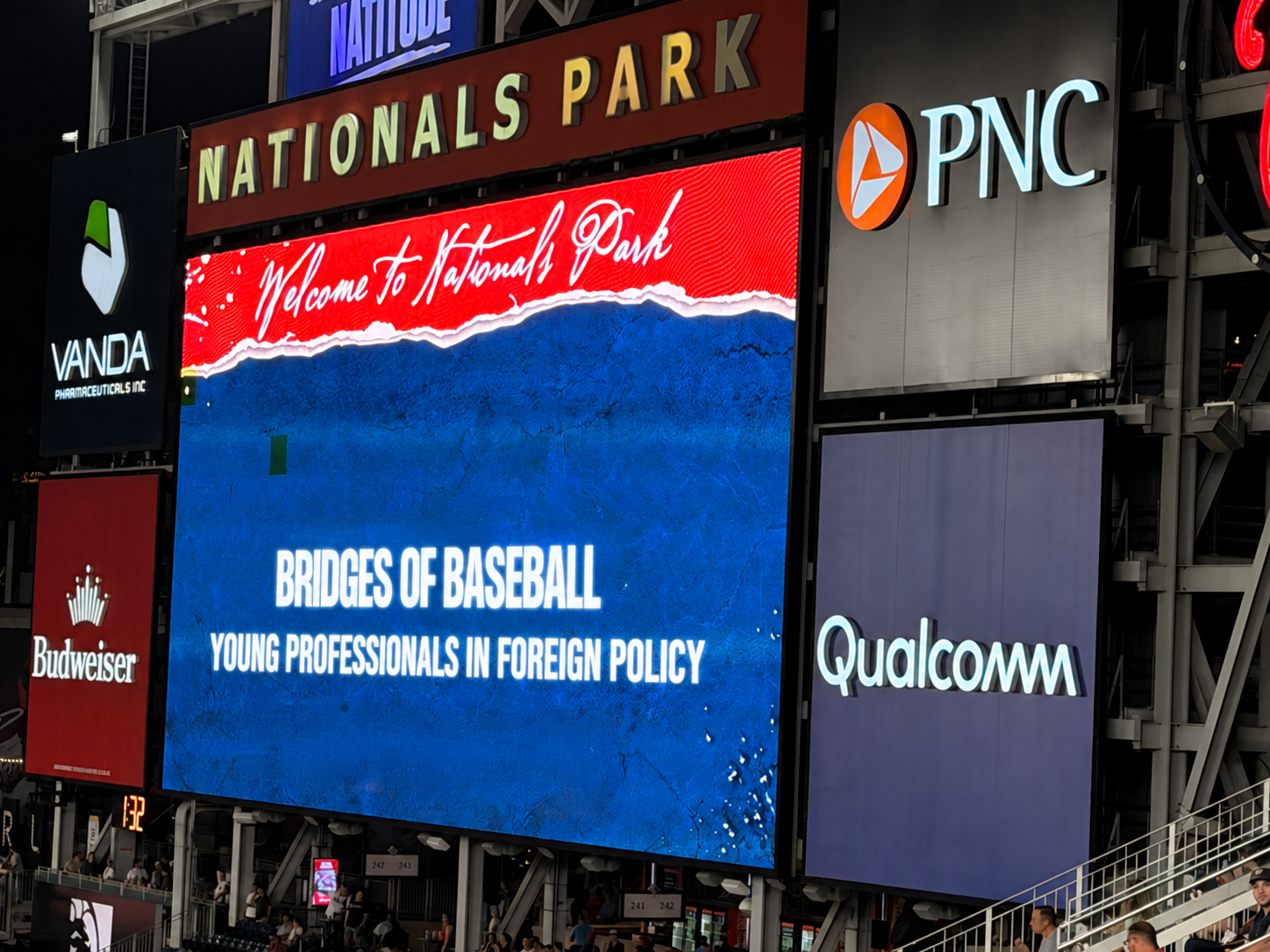
Then people started moving. Seats changed hands, rows mixed, and introductions multiplied. This is where the diplomacy became literal. In the middle of the fifth, Bridges of Baseball went up on the Jumbotron. Jay Quinn, in from the Dominican Republic with the Baseball Island Foundation, spent the innings connecting DC community leaders with the Dominican community.
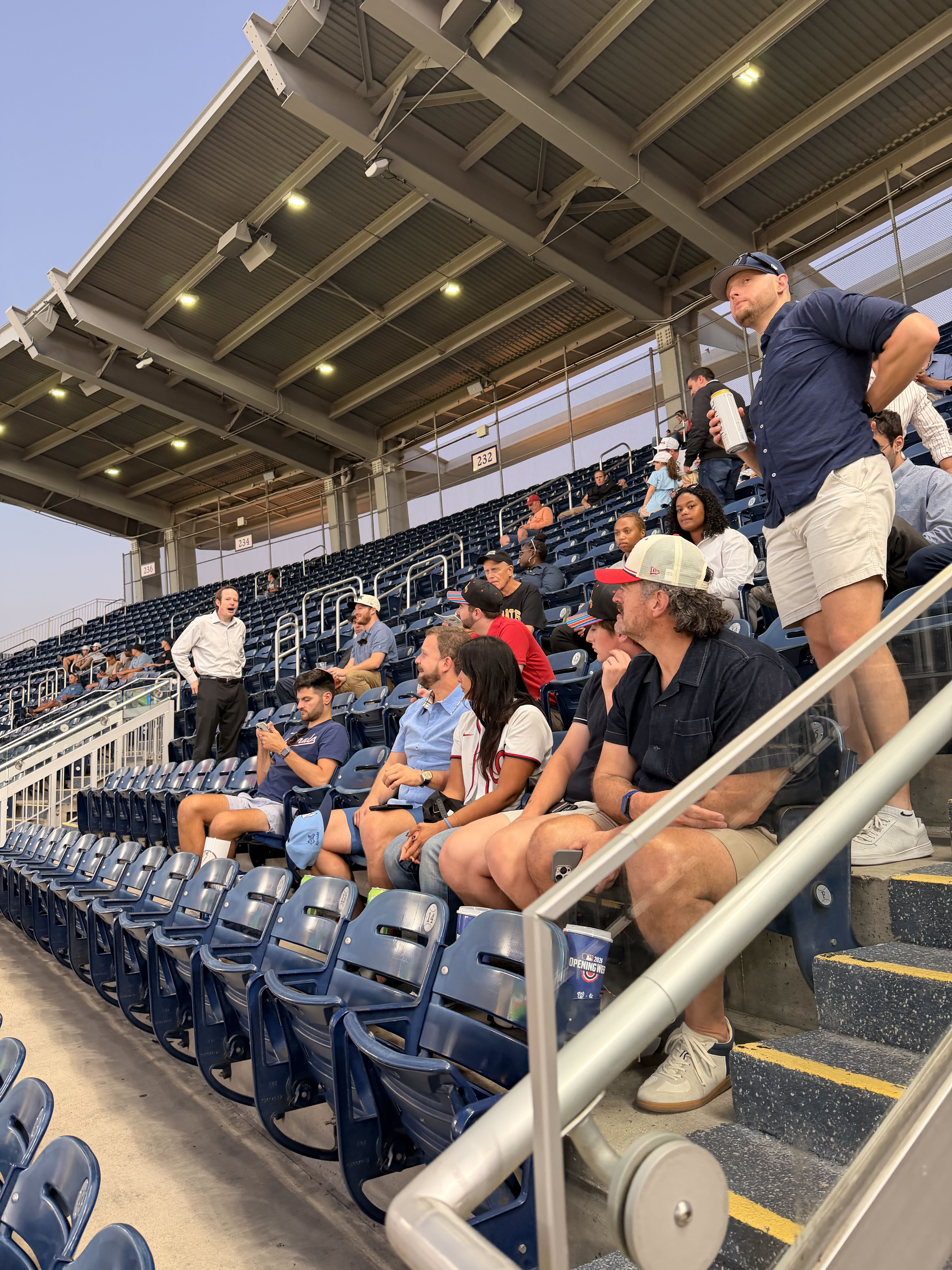
The whole group stood and sang "Take Me Out to the Ball Game." Then the Nationals scored three in the bottom of the seventh, took the lead, and won.
The conversations outlasted the game. Partnerships between DC and the Dominican community are now taking root, the clearest sign that something real came out of Section 234. Next in the series: a Hispanic Heritage Month piece from a Venezuelan baseball writer. Stay tuned.
Stories only baseball can tell.


© 2026 Bridges of Baseball · All rights reserved
Legal